- Answer engine optimization (AEO) is not replacing SEO in 2026, but it is reshaping how visibility is earned at the top of the funnel.
- SEO remains essential for traffic, conversions, and long-term authority, while AEO increases visibility in Google AI Overviews and zero-click results.
- Canadian SMBs should focus on entity-based SEO, conversational search intent, and structured data schema markup to stay competitive.
- Service businesses should prioritize local SEO first, then layer AEO to support AI-driven discovery.
- The most effective approach is a combined AEO and SEO strategy delivered by an experienced AI search optimization agency in Canada.
Search is evolving rapidly — and Canadian small and medium-sized businesses are being affected. Traditional search engine optimization (SEO) has been the foundation of online visibility, helping companies rank on Google and drive traffic to their websites. However, with the emergence of AI-based search experiences, such as Google AI Overviews and conversational search, people are increasingly receiving answers without clicking through to websites.
This shift has given prominence to answer engine optimization (AEO). Unlike just competing to be ranked, businesses now must be able to design content in ways that it can be picked by AI systems as the best direct answer. The real question Canadian SMBs need to understand is not whether to use AEO or SEO, but how to use both strategically in 2026. This guide breaks down the differences, explains what is changing, and provides an example of how businesses can remain visible in an AI-driven search environment.
What Is Answer Engine Optimization for SMBs?
Answer engine optimization (AEO) focuses on how content is organized so that AI-based systems can easily find, extract, and provide direct answers to user queries. These responses are provided in formats such as Google AI Overviews, featured snippets, voice search responses, and other zero-click search strategies.
For SMBs, AEO is important as search engines are becoming answer engines rather than just link directories. When users ask questions such as “What is the best AEO strategy for Canadian SMBs?” or “Is AEO replacing SEO in 2026?” Google provides a summarized response at the top of the page.
Being visible in these results generates visibility, credibility, and brand recognition—even without an immediate click-through.
AEO vs SEO: Key Differences
SEO aims to rank full pages for keywords. AEO aims to rank answers. SEO prioritizes depth and authority; AEO prioritizes clarity, accuracy, and relevance.
- Conversational Search Intent: AEO aligns with how people naturally speak and ask questions, especially in voice and mobile searches.
- AEO-Friendly Content Formats: FAQs, concise explanations, step-by-step guides, and clearly structured sections perform best for AEO.
What Is the Difference Between SEO and AEO for Small Businesses in Canada?
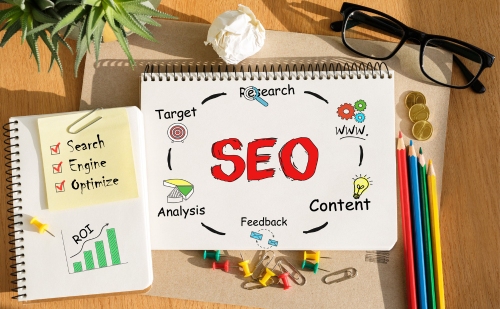
Search engine optimization (SEO) and answer engine optimization (AEO) have different but complementary purposes. SEO focuses on improving organic rankings through keyword optimization, backlinks, technical SEO, and content authority. AEO is concerned with making sure that your content is qualified to be displayed as a direct answer in AI-generated results.
For Canadian SMBs, SEO remains the primary driver of measurable business outcomes, including leads, bookings, and sales. AEO expands visibility earlier in the buyer journey, especially for informational and comparison-based searches.
- Rankings vs Zero-Click Visibility: SEO wins when users click. AEO wins when users get answers instantly.
- Entity-Based SEO and AI Understanding: Modern search relies on entity-based SEO—clearly defining your business, services, locations, and expertise so AI systems understand your relevance.
Is AEO Replacing SEO in 2026?
No—AEO is not going to replace SEO in 2026, but it is changing the dynamics of SEO. Traditional SEO still plays a key role in local rankings, service discovery, and conversion-focused traffic. Nonetheless, SEO without AEO leaves visibility gaps at the awareness stage.
Recent industry data shows that only 1% of visits result in clicks on AI summary citations, even though 88% of AI Overviews cite three or more sources. This highlights a critical shift: visibility in AI-generated summaries does not always translate into direct traffic, but it significantly influences brand perception and early-stage decision-making.
AI Overviews and generative outputs usually draw on high-quality SEO content, provided it is well-organized and answer-oriented. In that regard, AEO is not replacing SEO but is an extension of it.
Why SEO Still Matters
SEO results in long-term growth, quantifiable ROI, and trust indicators such as backlinks and on-page authority. Search Engine Optimization (SEO) remains the foundation of online visibility, regardless of the rise of AI-driven search experiences. It is the way search engines know more about your site, whether it should be trusted or not, and when it should be displayed to users.
Where AEO Adds New Opportunity
Answer Engine Optimization (AEO) aims to assist AI tools and search engines in providing direct answers to user questions. Rather than ranking by keywords alone, AEO focuses on how the content is organized, phrased, and summarized to enable it to appear in AI Overviews, featured snippets, and voice search results.
AEO shines in question-based and intent-driven searches, such as:
- “What is the best solution for…”
- “How does this service compare to…”
- “Which option is right for my business?”
These searches are increasingly common, especially on mobile devices and voice assistants. AEO enables businesses to gain visibility before users even click a website link.
Key opportunities AEO creates include:
- Visibility in AI-generated summaries and comparisons
- Inclusion in “best option” or “recommended solution” answers
- Stronger presence in voice and conversational search
- Positioning your brand as an expert source
Why a Combined Strategy Wins
The most successful SMBs in Canada in 2026 will not have to choose between SEO and AEO; they will combine them into a single strategy.
SEO ensures your website:
- Ranks for competitive keywords
- Drives consistent organic traffic
- Converts visitors into leads or customers
- Builds authority over time
AEO enhances that same content by:
- Making it easier for AI tools to extract answers
- Increasing visibility in zero-click searches
- Capturing users earlier in the decision journey
SEO and AEO are more effective when used together, providing broader coverage without sacrificing conversions. SEO is a means of directing users to your website, and AEO is all about gaining trust, recognition, and influence on AI-based platforms.
How to Optimize for Google AI Overviews
For Google AI Overviews optimization, you need more than just adding keywords. When selecting material for a summary, AI systems consider structure, clarity, authority, and relevance. According to AI statistics, Google’s AI Overviews feature now appears in over 50% of search results, up from 25% in August 2024, indicating a substantial shift towards AI-enhanced search experiences.
The first step to successful AEO optimization is to understand how people ask questions and how AI finds answers.
- Use Structured Data Schema Markup: Schema markup—especially FAQPage, HowTo, and Article schema—helps search engines understand content context and intent.
- Write for AI and Human Readers: Content should be scannable, logically organized, and written in natural language. Avoid jargon without explanation.
- Answer First, Then Expand: Lead with a direct answer in the first 1–2 sentences, followed by supporting detail. This improves AEO eligibility.
Local SEO vs AEO for Service Businesses: Where Should You Focus First?
For service-based Canadian SMBs, local SEO remains the top priority. Appearing in Google Maps, local packs, and location-based searches directly impacts calls and bookings. However, AEO enhances how customers discover services through informational queries.
For example, AI answers to “Do I need SEO or AEO for my small business?” may influence which agency a user contacts—even before they search locally.
Local SEO Fundamentals
Google Business Profile optimization, reviews, location pages, and local backlinks are still essential.
How AEO Supports Local Visibility
AI Overviews often reference trusted local businesses when answering service-related questions.
A Balanced Approach
Local SEO drives conversions; AEO supports awareness, credibility, and early-stage decision-making.
Where Does GEO (Generative Engine Optimization) Fit In?
Generative engine optimization (GEO) is the practice of optimizing content to perform well across AI-generated search experiences, not just traditional SERPs. AEO is a core component of GEO, alongside entity clarity and authority signals.
For SMBs, GEO doesn’t require reinventing strategy; it requires refining existing SEO content to work better in AI contexts.
AEO vs GEO

AEO focuses on answers; GEO focuses on AI-generated environments as a whole.
Why GEO Matters for SMBs
As AI search expands, businesses visible in generative results gain a competitive edge.
Conclusion: What Should Canadian SMBs Prioritize in 2026?
It is not about AEO vs SEO in 2026, but the effectiveness with which they can be jointly used. SEO is the engine behind traffic, authority, and conversions. AEO makes your expertise visible in AI-powered search experiences, where most buying journeys start nowadays.
Combining entity-based SEO, structured content, and conversational optimization at the earliest stage will enable Canadian SMBs to stay competitive as search continues to evolve. It is not only about rankings but also about consistent visibility, wherever your audience is looking. To learn how Mediaforce can help you gain visibility and stay competitive, schedule a discovery meeting today.